Table of contents
Overtourism is pushing travellers to rethink what “local” really means, and in 2024, city breaks are increasingly shaped by neighbourhoods rather than checklists. Across Europe, municipal data show visitor pressure concentrating in a handful of central districts, while cafés, galleries, markets and parks just beyond the postcard frame quietly absorb the overflow. The shift matters because it changes how we spend, how we move and what we take home, and because hidden gems, when approached well, can teach a sharper, more respectful kind of urban travel.
When the “must-sees” stop feeling special
Anyone who has queued for an hour to enter a landmark only to shuffle through a crowd understands the paradox of modern city travel: the famous places still impress, yet the experience can feel oddly hollow, and not only because of the heat, the noise or the price of a rushed lunch nearby. The numbers underline why this fatigue is spreading. The World Tourism Organization reported that international tourist arrivals reached 1.3 billion in 2023, about 88% of pre-pandemic levels, and the momentum carried into 2024 with many destinations already back at, or above, 2019 intensity during peak weeks. Meanwhile, the European Travel Commission has repeatedly flagged a post-Covid “revenge travel” pattern, with travellers prioritising short breaks and cultural cities, precisely the combination that concentrates pressure into historic centres.
That concentration is not an abstract concept; it shapes the very texture of a trip. In cities with medieval cores and narrow streets, foot traffic can spike sharply around a few nodes, and local authorities often publish mobility or tourism dashboards showing the same story: the Old Town, the cathedral quarter, the riverfront, the museum district. When everything funnels into a compact area, the city becomes a corridor, and the traveller becomes a commuter between highlights. Even spending patterns follow suit, because high-rent streets tend to fill with chains, souvenir shops and short-term visitor services, so your “authentic” meal may be sourced from the same suppliers serving the next five restaurants.
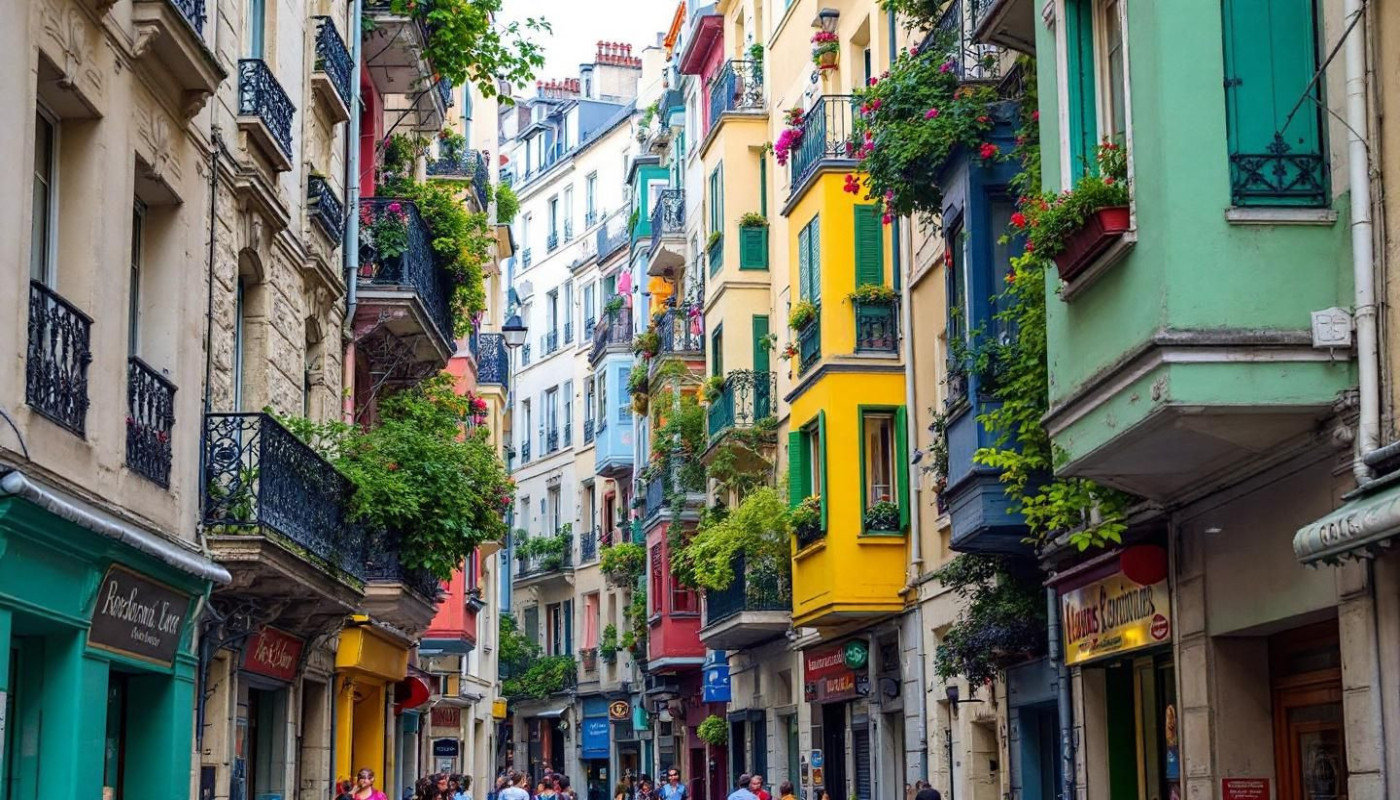
Hidden gems, in that context, are not a trendy alternative; they are a corrective. They invite you to slow down, to cross a river, to take a tram two stops further than your guidebook suggests, and to pay attention to how residents actually use space, where they shop on weekdays, where they sit with friends at night, which streets stay lively after offices close. That shift does not mean abandoning the classics, it means refusing to let the classics monopolise the narrative of a place.
There is also a practical lesson: when crowds peak, the cost of small mistakes rises. A late start can mean sold-out tickets, a missed connection can mean an hour lost in a queue, and a single closed metro entrance can send you into a crush of tour groups. Learning to travel locally, through lesser-known routes and neighbourhood anchors, is a form of resilience. It improves comfort, it reduces friction with residents and, arguably, it produces better memories because you are not fighting the city to enjoy it.
Hidden places reveal how locals move
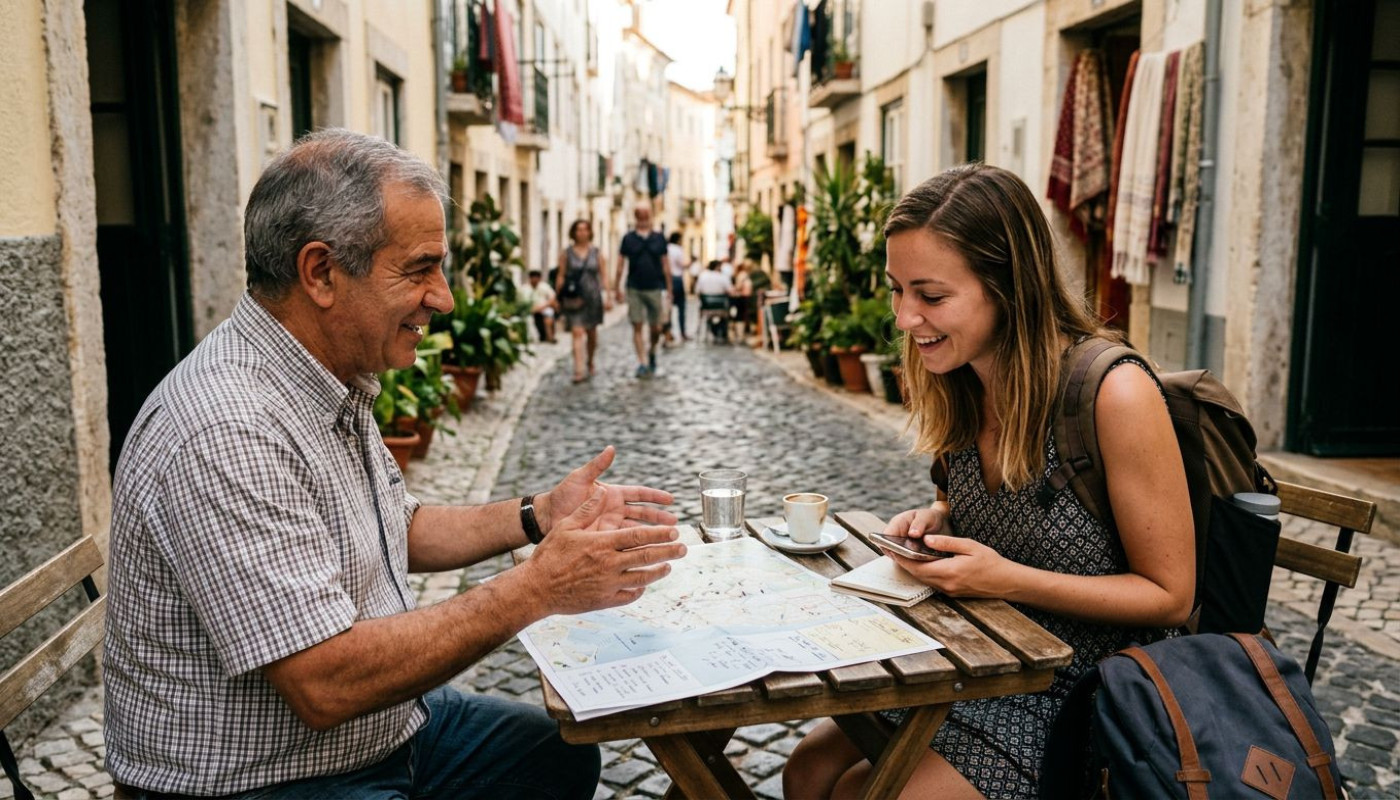
Watch the pavement, not the skyline. In the most visited quarters, people tend to move like a crowd: forward, slowly, in bursts, while outside that radius the rhythm changes, and you begin to see the city as locals do, as a network rather than a monument. That is where hidden gems become teachers. A small neighbourhood market shows you what families actually buy, a corner bakery shows you the morning routine, a park on a weekday afternoon shows you where students read and retirees walk, and each of these scenes quietly explains public transport, pricing and pace better than any brochure.
Transport data helps make sense of that. Across European capitals, ridership patterns have shifted since the pandemic, with many cities reporting that leisure travel is a growing share of public transport use on weekends, and that peak congestion is more spread out across the day. In Prague, for example, the integrated public transport system carries hundreds of millions of passenger journeys in a typical year, and the city’s reliance on trams is not just an aesthetic choice; it is a practical backbone that connects residential districts to the centre without forcing everyone underground. When travellers follow locals onto these lines, they also learn where the city’s everyday gravity sits: university clusters, shopping streets, riverside paths, sports grounds, cultural halls.
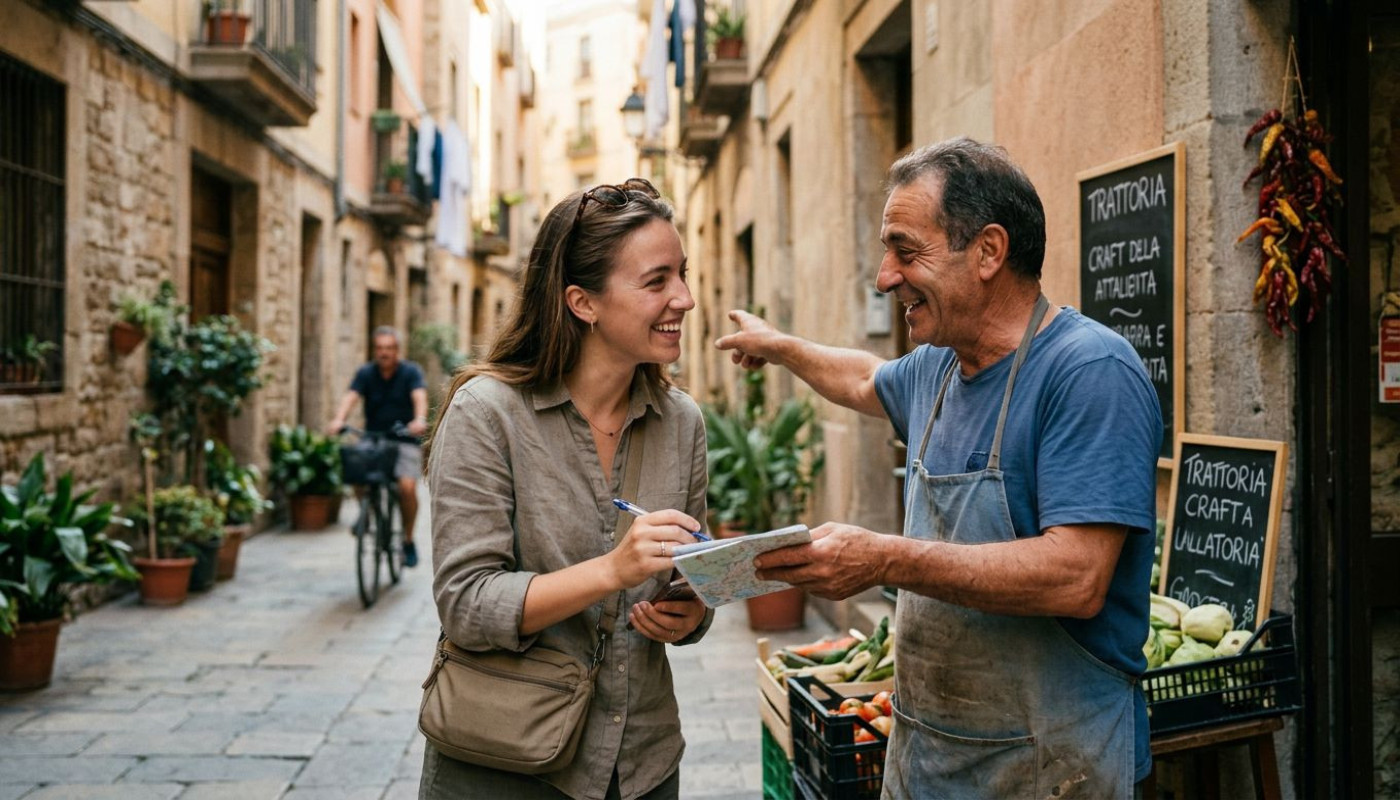
Neighbourhood travel also teaches a subtler skill: reading the signals of a place. In the historic core, signs often speak to visitors, in multiple languages, with prices and opening hours designed for short stays. Outside it, you rely on context. A busy lunch counter with no English menu may still be welcoming, it just expects you to point, to ask politely and to accept that the best seat might be the one by the door. A gallery in an old industrial building might open late, because its audience arrives after work. A craft market might be seasonal, because it is tied to local holidays rather than tourist calendars.
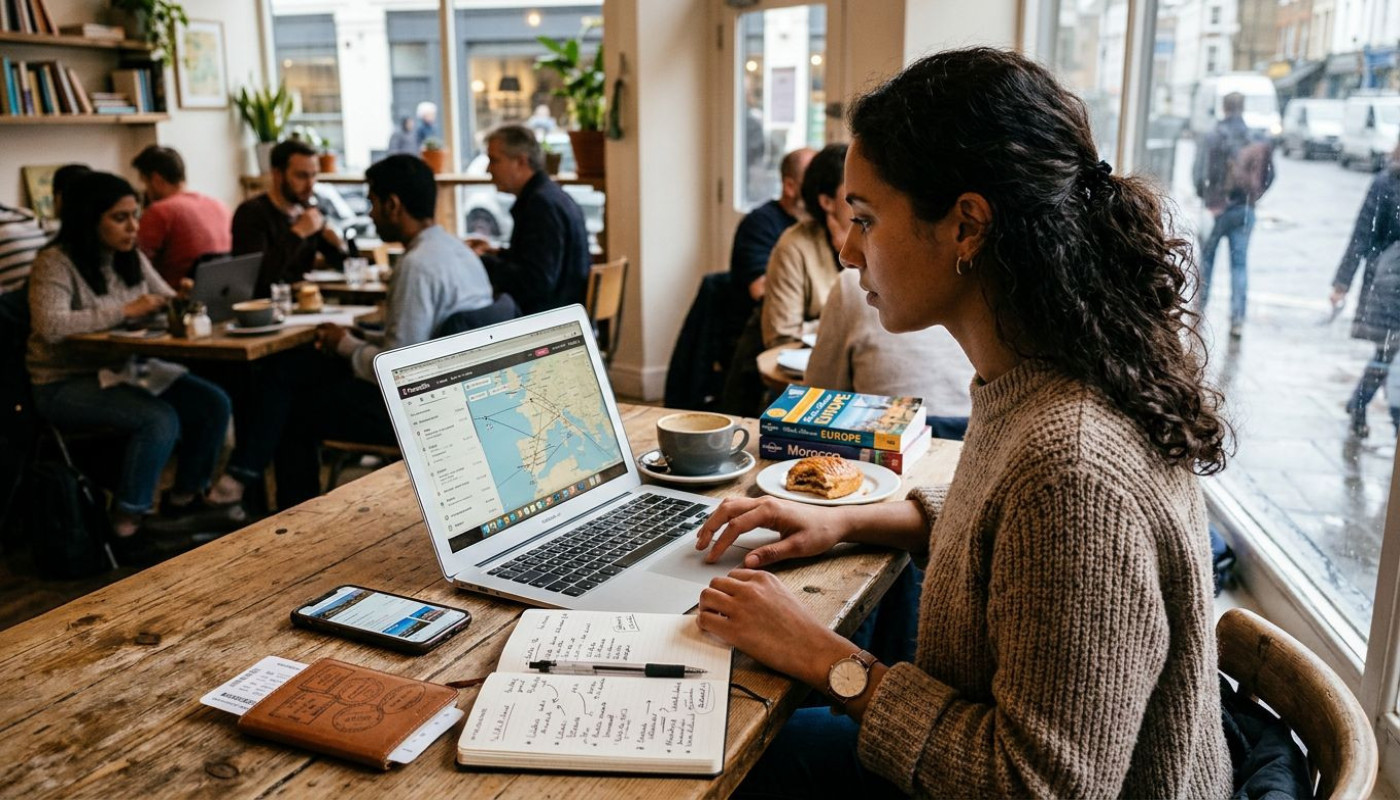
This is where planning can help without turning the trip into a spreadsheet. If you want neighbourhood ideas, walking routes and practical transport guidance, resources such as www.prague-trip.com can make the difference between a vague intention to “go local” and a real itinerary that fits the way the city works. The point is not to chase obscurity for its own sake; it is to choose places that have a life beyond tourism, then to arrive in a way that respects that life.
Local travel is also an economic choice
Your money votes every day. In overtouristed zones, a large slice of visitor spending can leak out of the local economy, because chains, large tour operators and short-term rental intermediaries often capture value that would otherwise circulate through neighbourhood businesses. In contrast, a coffee bought at a family-run café, a ticket to a small venue, a meal at a canteen-style restaurant or a purchase from an independent bookshop tends to stay closer to the people who make a district feel like itself. This is not moral grandstanding; it is an observable difference in who benefits from your weekend.
Hard data is imperfect, yet the overall picture is consistent. The OECD has long noted that tourism is dominated by SMEs, and in many European cities, hospitality and cultural sectors are major local employers, from chefs and cleaners to stage technicians and museum staff. When visitor flows concentrate into a handful of streets, it can inflate rents, squeeze out everyday services and accelerate a shift from residential to visitor-oriented retail. City governments have responded with tools ranging from short-term rental regulations to crowd management, because the problem is no longer theoretical; it is visible in housing supply, noise complaints and the disappearance of basic shops in the centre.
Spreading your footprint helps, but only if it is done with care. A “hidden gem” can be harmed by sudden virality, and locals often have good reasons for guarding certain addresses, especially if they are small, fragile or already at capacity. The best approach is to look for resilient places: large parks, established markets, neighbourhood museums, river walks, public viewpoints, community theatres and dining streets with many options rather than one famous table. Choose times that reduce pressure, too. A late-morning museum visit on a weekday, or an early dinner away from the centre, can shift your experience from scarcity to abundance.
There is also a personal financial logic. Secondary neighbourhoods often offer better value: lunch menus that are priced for residents, bakeries with real portion sizes, bars that do not treat a cocktail like a luxury product, and small cultural events that cost less than a top attraction yet deliver more intimacy. In a period when inflation has tightened travel budgets across Europe, that matters. City breaks are still popular, but travellers are increasingly sensitive to the moment when a destination starts to feel like a theme park with premium pricing, and hidden gems are one of the few ways to restore a sense of fairness without sacrificing quality.
Finding gems without turning cities into sets
Chasing “secret spots” can backfire. The internet rewards novelty, so travellers sometimes treat neighbourhoods like backdrops, filming doorways, snapping residents without consent, then leaving little behind except noise and an algorithmic trail that invites the next wave. The lesson hidden gems teach, when taken seriously, is the opposite: blend in, pay attention and participate quietly. Ask before photographing people, keep voices down in stairwells and courtyards, and remember that an apartment block is not a museum. The city is not auditioning for your feed; you are visiting someone else’s home.
Practical choices make that respect tangible. Walk more, because walking reveals context and reduces pressure on key transit nodes, yet use public transport when distance demands it, because it is often the most efficient and least disruptive option. Book timed tickets for the major sights, then place your neighbourhood explorations around them, not as an afterthought squeezed into the last hour. If a district feels crowded, pivot. Cities are generous to travellers who stay flexible, and the most memorable afternoon is often the one you did not plan tightly: a park bench, a street musician, a late coffee, a local bookstore you entered to escape a brief rain shower.
Information matters too, and it should be specific. “Explore outside the centre” is not guidance; it is a slogan. What you need are walkable loops, realistic tram and metro links, opening hours that match local habits, and cues about when a place is likely to be busy. That is how you avoid accidental pressure, like turning up to a tiny café at its peak hour with a group of eight. Good local travel is not just about where you go; it is about how you arrive, how long you stay and whether your presence feels like a burden or a normal part of city life.
Finally, accept that not everything is for you. Some doors stay closed, some courtyards are private, some neighbourhood bars prefer regulars at the counter, and that is healthy. The goal is not access to every inch of the city, it is a richer relationship with the part you can enter respectfully. If the classic centre is the city’s public face, the hidden gems are its daily voice, and listening to that voice is what turns a routine getaway into a genuine local trip.
Practical steps for your next city break
Reserve major attractions early, then build two neighbourhood walks around them, and set a clear daily budget for meals and transport to avoid centre-price traps. Consider city transport passes only if your itinerary justifies them, and check local discounts for students, seniors or families, which many European networks offer. Aim for off-peak slots, and keep one flexible afternoon for discoveries.
On the same subject