Table of contents
Weather is rewriting travel plans in real time, and 2026 is shaping up as another year of sharp contrasts, from record-warm oceans that turbocharge downpours to heat waves that push cities into “avoid mid-afternoon” mode. Airlines, rail operators, and tourism boards are responding with more flexible policies, while travelers are learning to read forecasts like locals do, not as background noise but as a decisive input. The upside, if there is one, is that spontaneity is back, and with the right tools, detours can turn into the best part of a trip.
When forecasts change, budgets follow
Can one storm really blow up a budget? Yes, and not only through canceled flights, because the cascading costs often come from hotel rebookings, lost prepaid tickets, and last-minute ground transport that suddenly becomes scarce. In 2024 and 2025, carriers expanded waiver playbooks around major disruptions, and travelers have become more alert to the fine print, yet the arithmetic still bites: rebooking closer to departure tends to concentrate demand into fewer routes and fewer rooms, and that pushes prices up fast. Add the “secondary city” effect, when thousands of people pivot to the same alternative hub, and you get a short-lived surge in room rates, rental cars, and even intercity buses.
Data from the travel industry illustrates how quickly conditions translate into price volatility. The World Meteorological Organization has repeatedly highlighted the trend of exceptional rainfall and flooding events in multiple regions, and the IPCC has underlined that a warmer atmosphere holds more moisture, raising the odds of heavier downpours. That physical reality shows up in travel markets as well: heavy-rain alerts can trigger airline schedule adjustments and localized capacity cuts, and those changes ripple into accommodation availability. Travelers who build a “weather buffer” into their spending, typically 10% to 20% for transport pivots and one extra night, report fewer forced compromises, while those who plan to the last dollar often end up choosing between paying more or cutting experiences.
The practical response is less about paranoia and more about sequencing. Pay-later hotel rates and refundable rail tickets can look more expensive on paper, but they buy optionality at precisely the moment weather starts dictating choices. If a destination has a known seasonal risk, whether typhoons, wildfire smoke, or extreme heat, it can be smarter to front-load outdoor activities into the first half of the trip and keep indoor, museum-heavy days on standby. Even a simple rule helps: avoid stacking multiple non-refundable items on the same day, because one disruption can wipe out an entire chain of bookings, and the refund process rarely matches the pace of a fast-moving forecast.
Heat, floods, smoke: the new triad
Weather used to be a footnote; now it is often the headline. Europe has faced repeated bouts of extreme heat in recent summers, North America has seen severe wildfire seasons that send smoke far beyond fire lines, and parts of Asia and the Pacific have contended with intense rainfall events linked to warm seas and shifting patterns. This is not about ruining travel; it is about recognizing that the “normal” range has widened, and that you can plan for that without turning a holiday into a risk assessment exercise. What changes, above all, is timing, because even in hot cities, mornings can still be comfortable, and in rainy regions, downpours may arrive in predictable afternoon windows.
The most actionable piece of climate data for travelers is not a global average temperature but local thresholds. Heat index values that cross into the high-30s Celsius equivalent can turn walking tours into endurance tests, and public health agencies increasingly issue guidance on hydration, shade, and reduced exertion. Flood advisories, meanwhile, are less about getting wet and more about mobility: one closed metro line, one tunnel shutdown, and a neighborhood becomes hard to exit quickly. Smoke adds another layer; air-quality indices can swing sharply, and people with asthma or cardiovascular conditions may need to treat bad-air days like a serious constraint, not a minor inconvenience.
Adapting in real time means building a “Plan B menu” before you land. Identify indoor options that do not require long cross-city commutes, bookmark live transit feeds, and keep an eye on official alert channels rather than viral clips. It also means packing for range, not for averages: a light rain shell and breathable layers do more than a heavy coat that only makes sense in rare cold snaps. For families and older travelers, the strategy is simpler still: protect the middle of the day. If heat is the threat, schedule a long lunch, a museum, or a hotel break between 12:00 and 16:00, and you will often salvage the trip’s rhythm even when the thermometer refuses to cooperate.
Chasing clear skies without losing the plot
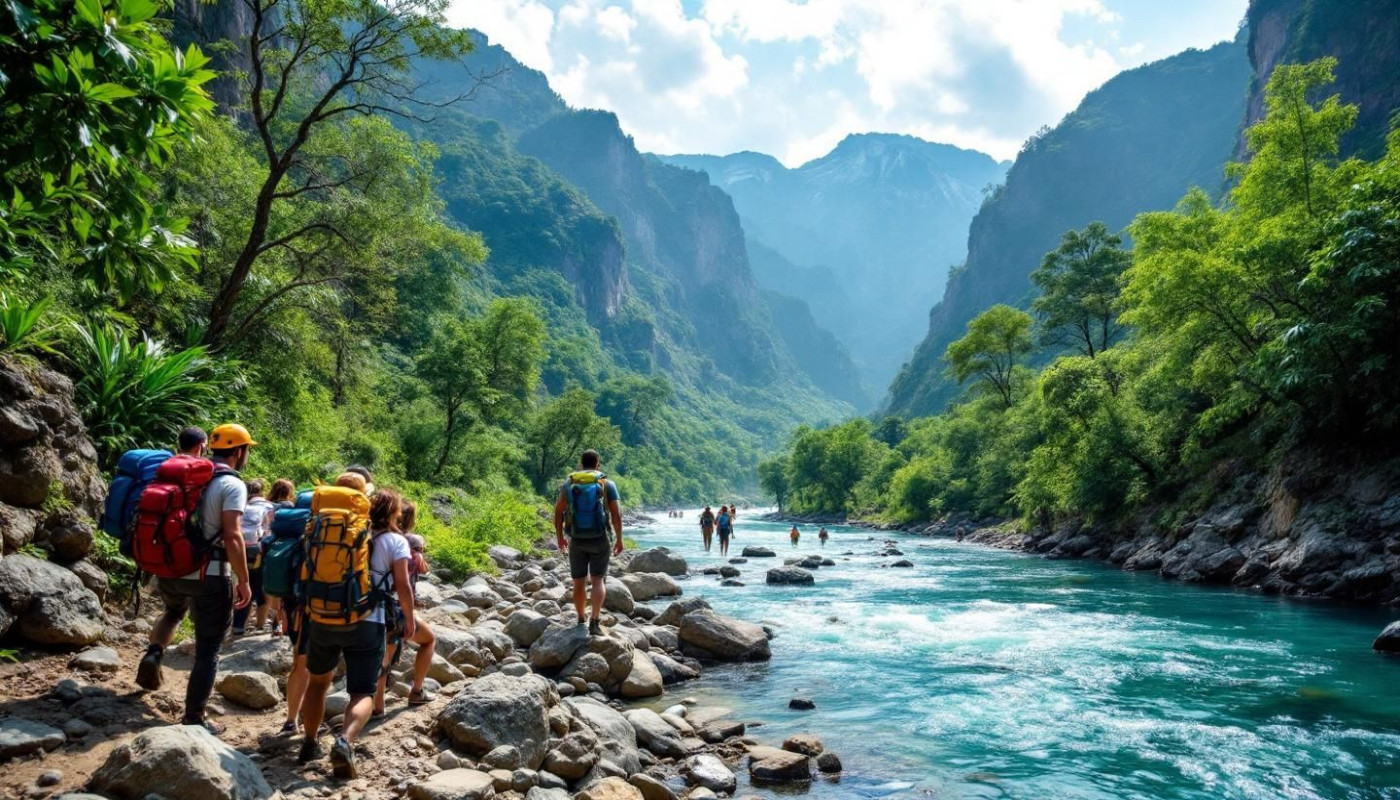
What if the best destination is the one nearby? The rise of “micro-pivots” is one of the quiet shifts in modern travel, a way to protect the experience without blowing up the itinerary. Instead of abandoning a country or a region, travelers increasingly hop to a neighboring coastline, a higher-altitude town, or a different side of a mountain range, where weather can be dramatically different. Meteorology is local, and that can work in your favor, especially in places where monsoon patterns, sea breezes, and elevation carve the day into distinct microclimates.
This is where tools and local expertise meet. Radar and nowcasting apps can help you dodge a storm cell by leaving two hours earlier, while city-level heat alerts can inform whether you swap an afternoon hike for a morning one. But the most effective decisions often come from understanding the destination’s “weather logic”: which months bring short, intense rain, which neighborhoods flood first, which ferry routes stop running when winds rise, and which museums or food markets become the natural refuge. A well-planned pivot does not feel like surrender; it feels like discovering a parallel version of the trip, one that locals might recommend anyway.
For travelers considering East Asia, the reality of typhoon season, humid heat, and sudden downpours makes flexibility especially valuable. Macau, for example, can deliver bright, breezy days that suit waterfront walks and day trips, yet it can also flip quickly under regional weather systems, pushing visitors toward indoor heritage sites, galleries, and the city’s famed dining scene. Keeping a reliable planning hub at hand, such as https://www.macau-trip.com, can make those quick recalibrations easier, because you are not searching from scratch when the forecast turns. The goal is not to outsmart the sky, it is to keep moving with purpose, and to make sure the “backup” is still worth flying for.
Airlines and hotels adapt, slowly but surely
Is the industry finally catching up? In parts of it, yes, although consistency remains patchy, and the burden still falls heavily on travelers to read conditions and act fast. Airlines have expanded weather-related fee waivers and self-service rebooking tools, and some hotel groups have leaned into clearer cancellation windows during major disruptions. At the same time, peak-demand pricing means that even when change fees disappear, the fare difference does not, and that is often where the real cost hides. A flexible policy is helpful, but it is not a blank check, especially when a region-wide event compresses thousands of passengers into fewer seats.
Insurance has also evolved, but it remains widely misunderstood. Basic policies may cover trip cancellation for specific, documented reasons, while “cancel for any reason” add-ons can offer broader flexibility at a higher premium and with partial reimbursement. The fine print matters: some plans require you to purchase shortly after the first deposit, others exclude known events, and many hinge on whether a storm is officially named or whether authorities have issued formal advisories. The smartest approach is to match the policy to the trip’s fragility, because a weekend city break with refundable hotels does not need the same coverage as a multi-leg journey with remote connections.
Meanwhile, destinations are investing in resilience, sometimes visibly. Flood defenses, heat-action plans, and wildfire response systems are not just public infrastructure; they protect tourism livelihoods. Travelers can reward that progress by choosing operators who communicate clearly about safety thresholds and alternatives, rather than those who simply press on. When the forecast is uncertain, ask direct questions: What happens if ferries stop? Is there a safe indoor alternative? Do you offer date changes without penalties? Good providers answer confidently, and they do not make you feel difficult for caring about conditions that can change hour by hour.
Before you book: three moves that save trips
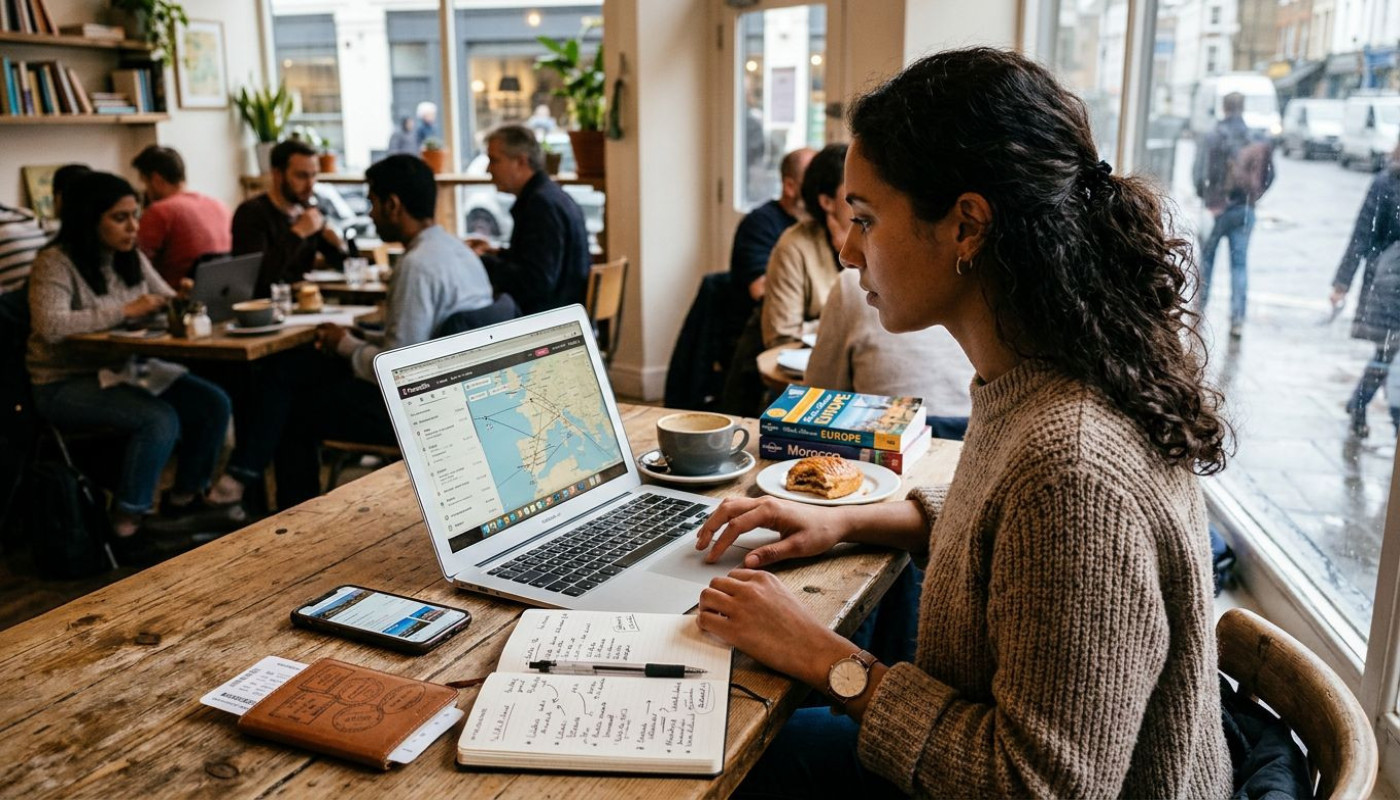
Want fewer surprises, even in a surprise-prone world? Start with timing, because shoulder seasons often deliver the best balance, fewer crowds, and less exposure to the most punishing heat or storm peaks, even if they are not risk-free. Then design the itinerary like a journalist would edit a front page: put the “must-haves” at the top, early in the trip, and keep the “nice-to-haves” for later, when you have more information. Finally, choose flexibility where it matters most, not everywhere; splurge on refundability for flights, trains, and the first hotel night, and you can sometimes save on later segments once the situation clarifies.
On the ground, a small kit can shift outcomes. A compact umbrella, quick-dry shoes, and a light layer reduce the friction of sudden rain, while electrolytes, sunscreen, and a breathable hat can turn a brutal heat day into a manageable one. Keep digital copies of bookings, and store key phone numbers offline, because disruptions often coincide with network congestion. Most importantly, commit to a decision rhythm: check official alerts in the morning, set a mid-day reassessment point, and avoid doom-scrolling the forecast every ten minutes, which creates anxiety without improving choices.
Weather will keep surprising us, and that is the reality of travel in this decade. Yet the core promise remains unchanged: discovery, contrast, and the pleasure of being elsewhere. The travelers who do best are not the ones who demand perfect conditions, they are the ones who plan like conditions will change, and then treat a pivot not as a failure but as a story they did not know they needed.
How to lock plans without locking yourself in
Reserve transport and your first nights early, and keep the rest adjustable, especially in seasons known for heat spikes or heavy rain. Set a clear budget buffer, and compare insurance options to the value of what you cannot refund. Check whether local or national authorities offer traveler advisories, and use them to time excursions. Flexibility is not indecision; it is the strategy.
On the same subject