Table of contents
Over-planned trips are having a moment, and not in a good way, as crowded “must-see” lists, timed-entry stress and algorithmic sameness push more travelers to look for something that feels lived-in. In a year when many destinations are tightening rules around short-term rentals and overtourism, the smarter currency is local knowledge, because it cuts through hype, steers you away from bottlenecks and, more often than not, delivers the best meals and memories. I tested that idea on the road, and the results reshaped my itinerary.
One question, and the city unlocked
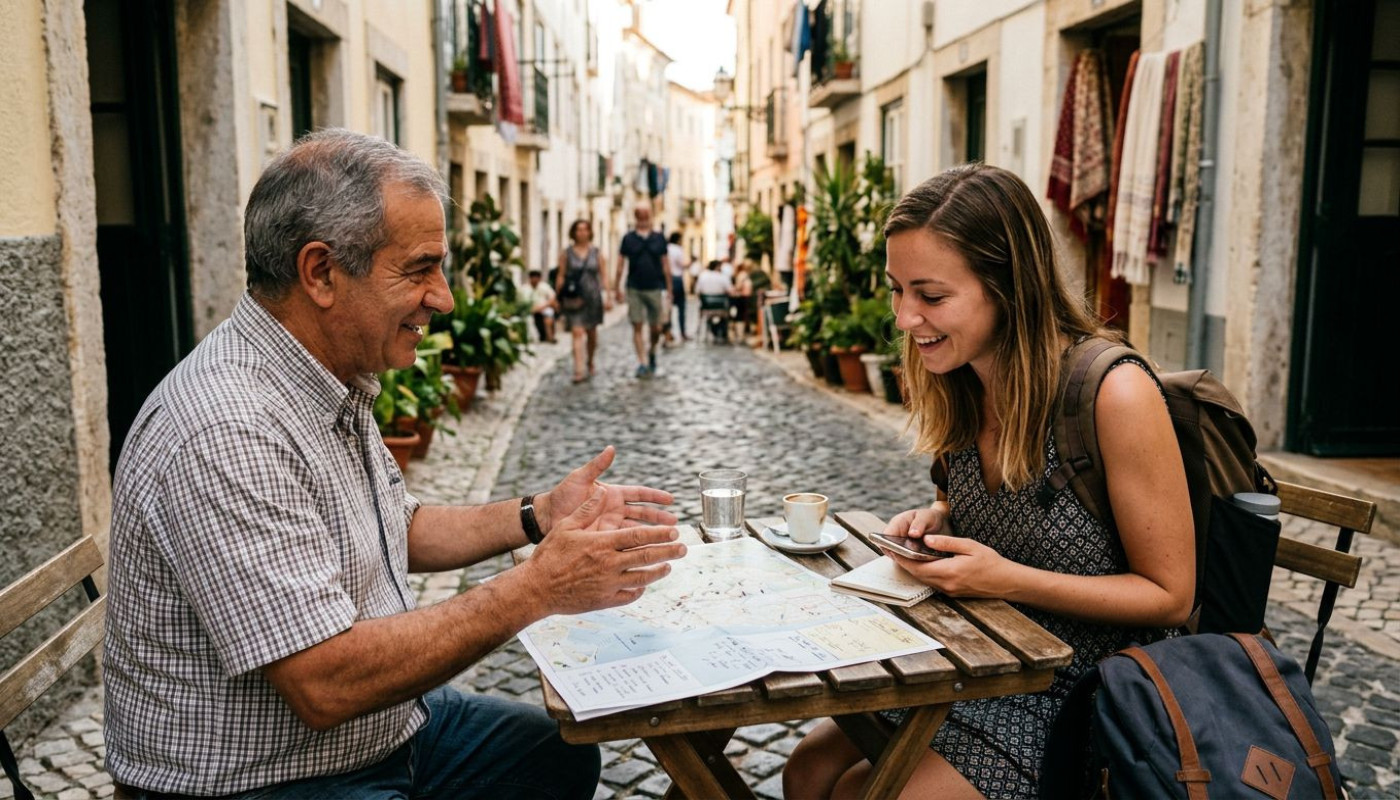
Ask a local for a recommendation, and you’ll often get more than a place name, you’ll get a small lesson in how the city works. The first time I tried it seriously, I realized how different the answers were from what search rankings and social feeds had been serving me, because locals don’t optimize for virality, they optimize for timing, comfort, price and the unglamorous details that make a day flow. The suggestion wasn’t “go to the famous market”; it was “go early, enter from the quieter side street, eat at the stall with the blue stools, then walk five minutes to a temple most visitors miss”, and suddenly the plan wasn’t a checklist, it was a rhythm.
That rhythm matters more than travelers admit, especially in places where queues and traffic can eat half a day. In large cities, transport delays and peak-hour congestion routinely add 20 to 40 minutes per move, and when your itinerary stacks four “top sights” across town, you end up paying in exhaustion. Local advice tends to compress distances, grouping neighborhoods that actually connect, and it also surfaces practical heuristics: which attraction is better late in the day, which museum is closed on which weekday, where to find shade, which street food is safest if you’re sensitive. The point isn’t that locals possess secret gems at every corner, it’s that they help you avoid bad sequencing, and that alone can turn a rushed trip into a satisfying one.
The other surprise is how quickly you start noticing the difference between a place built to receive tourists and a place where people still run errands. When a barista tells you the café that’s “nice for visitors” and the one where they go after work, you’re hearing a subtle map of local life, and it usually comes with price signals too. In many major destinations, eating and drinking in the most photographed streets can cost double what you’d pay two blocks away; local pointers don’t just find “cheaper”, they find “better value”, and that’s a crucial distinction. You may still splurge, but you’ll do it intentionally, and you’ll know where to reset your budget without downgrading the experience.
Tourist traps aren’t always obvious
Think you can spot a tourist trap from a distance? Not anymore. The modern version is sleek, well-lit, highly rated and sometimes genuinely good, but it’s also designed to keep you circulating inside the same predictable loop, and that loop can flatten a destination into a set of identical interiors. What locals flag isn’t just “this is overpriced”, it’s “this isn’t representative”, and that difference is where your trip either deepens or stays on the surface. They’ll steer you away from the restaurant with the long line and toward the one that locals trust for consistency, or they’ll tell you the trendy rooftop is worth one drink at sunset but a terrible place for dinner, because service slows and the bill grows while the food stays average.
These warnings aren’t about snobbery, they’re about opportunity cost. Your limited hours are the real budget, and the trap is often the time sink: the attraction that looks essential online but delivers a crowded corridor and a gift shop, or the “authentic” show where you spend more time waiting for the curtain than enjoying the performance. Locals are also more candid about safety and comfort, and that candor can be lifesaving in unfamiliar contexts. They’ll tell you which neighborhoods are fine by day but tiring at night, where pickpocketing spikes during festivals, which taxis overcharge at the airport, and how to use public transport without getting stranded when services thin out.
There’s also a quieter kind of trap: the itinerary that ignores culture and etiquette. Visitors don’t mean to be disrespectful, but small missteps add friction, and locals notice them long before tourists do. When you ask and listen, you learn the dress codes that actually matter, the gestures that read as rude, the photo rules in religious spaces, and the right way to queue, tip or greet. This is not about performing authenticity, it’s about moving through a place with fewer awkward collisions, and it makes encounters smoother on both sides. The payoff is immediate, because when you demonstrate basic awareness, people often become more generous with their time, and the city opens a little wider.
How to ask without sounding clueless
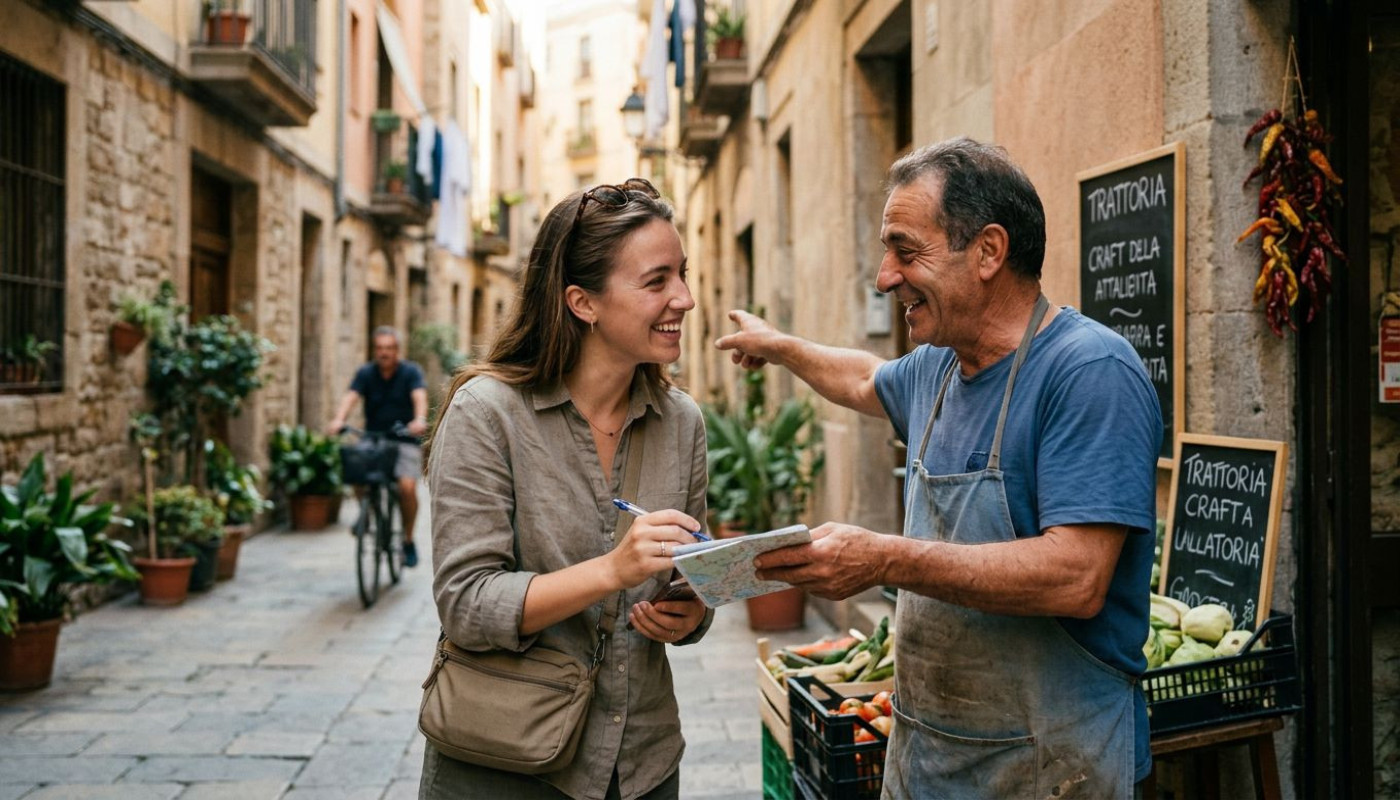
It’s easy to say “ask locals”, and harder to do it well. The most effective questions aren’t broad, they’re specific and respectful, and they show you’ve done minimal homework. Instead of “What should I do here?”, try “I have three hours near this neighborhood, I like quiet temples and good coffee, and I’m avoiding big crowds; what would you do?” You’re not outsourcing your brain, you’re inviting someone to tailor advice to your constraints, and constraints are what locals understand best, because they live with them. The more concrete you are about time, budget, mobility and interests, the more useful the answer becomes.
Where you ask also changes what you get. Hotel concierges can be excellent, but their suggestions can skew toward partners and well-known venues, while bartenders, booksellers, market vendors and commuters often have a sharper feel for what’s new and what’s slipping. Guides and small tour operators can bridge both worlds, but you should still test their recommendations against your priorities: do you want a postcard view, a food crawl, a history thread, or a slow afternoon? If you ask three people the same question, patterns emerge, and that’s your signal. When multiple locals independently mention the same street for breakfast, or the same hour for visiting a landmark, you’re not chasing a secret, you’re learning the city’s common sense.
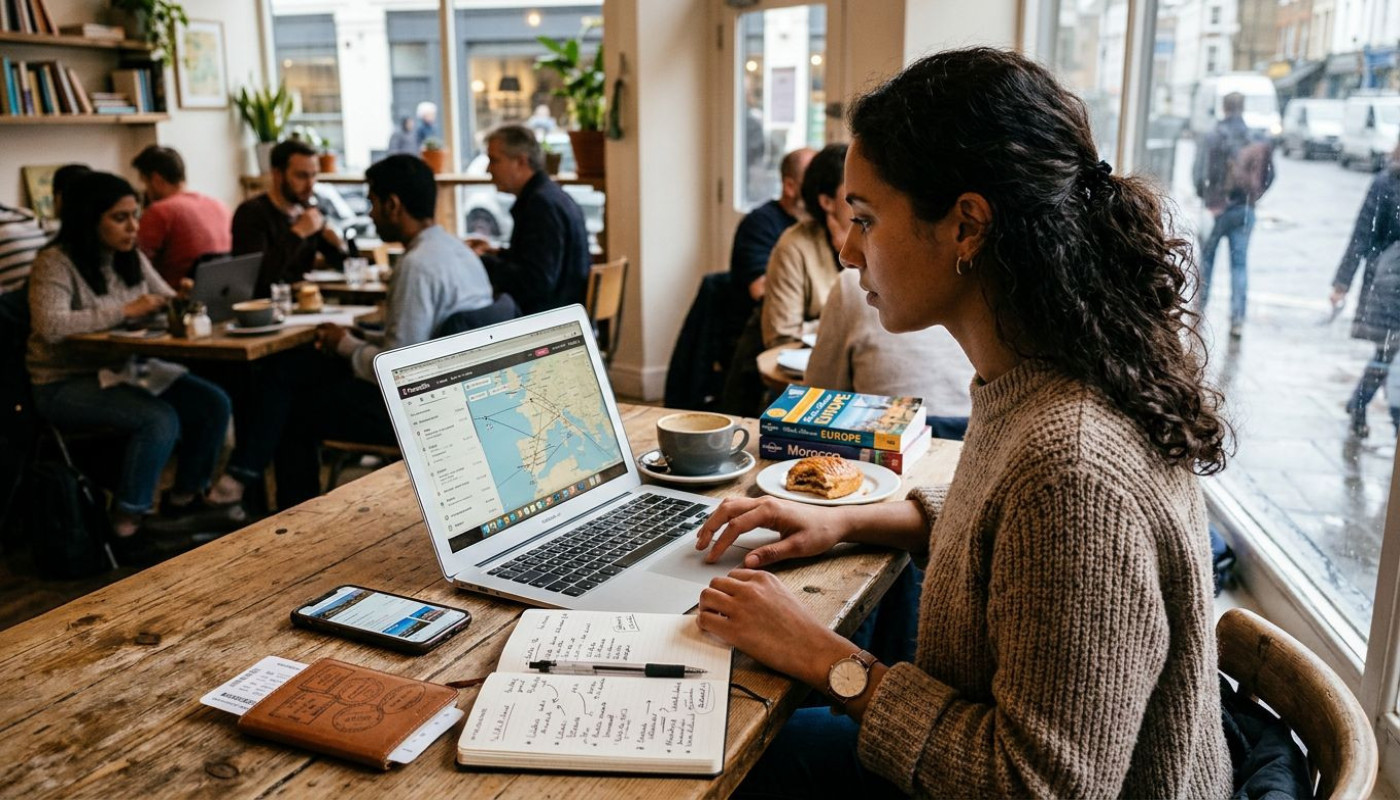
Technology can help without replacing the human exchange. Translation apps reduce the anxiety of asking in a non-native language, and mapping tools help you pin suggestions on the fly, but the key is to keep the interaction conversational. A good follow-up question is “Why that place?”, because the reasons carry the real intelligence: “because the owner sources fish from that pier”, “because the air is cooler at that time”, “because the queue moves faster from the side entrance”. Those explanations teach you how to make better decisions later in the trip, even when you’re on your own. For travelers planning time in Thailand’s capital, resources like https://www.bangkok-spirit.com/ can also help frame the right questions, because knowing what’s possible in a neighborhood makes local advice more actionable, not less.
Better trips, and fewer regrets
The immediate benefit of local input is obvious: you eat well, you waste less time and you see places that don’t feel mass-produced. The longer-term benefit is more interesting, because it changes how you evaluate your own travel decisions. When you’ve walked a back street at the right hour, or found a museum wing that’s calm while the lobby is chaos, you start recognizing that “more” isn’t better, and that the most memorable experiences often happen in the margins. Local advice encourages this shift, and it can quietly reduce the pressure to perform your trip for other people, because the day becomes yours again.
It also alters your relationship with money. Many travelers overspend not on the big-ticket items they planned for, but on a trail of small, avoidable costs: the overpriced lunch near a landmark, the extra taxi because you missed the last train, the ticket you didn’t need because the viewpoint is free from the park. Locals help you allocate spending toward what actually matters, whether that’s a single high-end meal, a cultural performance, a craft purchase from an independent maker, or a day trip that’s worth the logistics. Saving a little in the middle of the trip is not just financial, it’s psychological, because it gives you room to say yes to something unexpected.
And yes, there’s an ethical dimension. In destinations strained by overtourism, the “local” choice is not automatically the most responsible choice, but listening can steer you toward businesses that serve residents year-round, not just visitors, and toward experiences that don’t intensify congestion at the most fragile sites. It can also help you travel more quietly, avoiding peak hours and bottlenecks, and that matters in cities where infrastructure is under pressure. The aim isn’t to claim insider status, it’s to be a better guest: one who distributes their footprint, respects norms and pays attention. When you get that right, the trip feels less like consumption and more like participation, even if only for a few days.
Planning your next day, the smarter way
Book one anchor activity, then leave breathing room, set a daily budget for transport and meals, and keep a short list of “flex” options by neighborhood so you can adapt to weather and crowds. If a city offers visitor passes or museum reservations, buy early and compare savings, and ask locals where they’d spend time if it rains. The best itineraries stay adjustable, and they reward curiosity.
On the same subject